
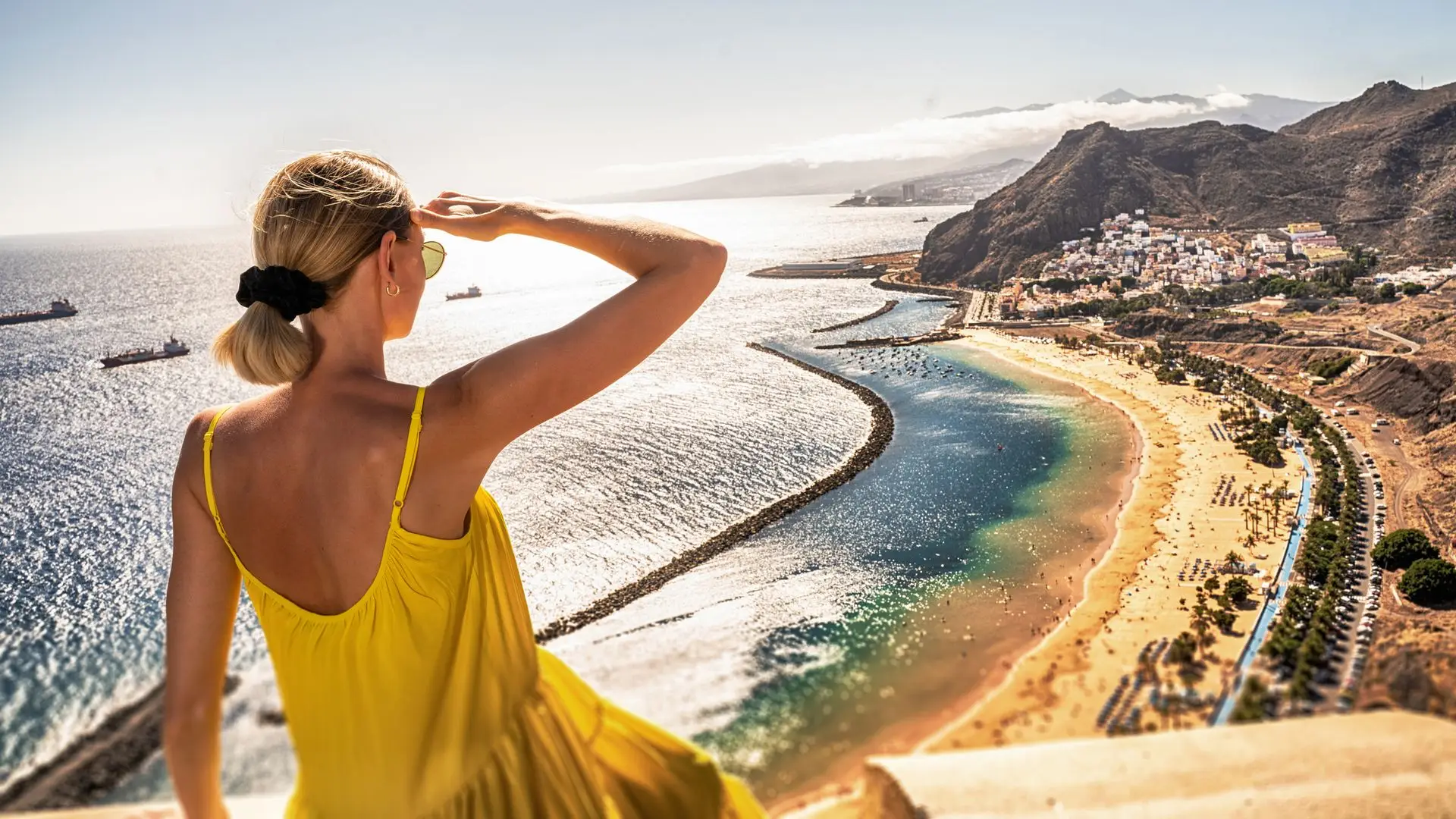

The Fear Is Normal. Go Anyway.
If you’re reading this, you’re probably hovering somewhere between excited about solo travel and just nervous enough to keep researching instead of actually booking.
That’s completely normal.
Almost every experienced solo traveller — including people who’ve now done it dozens of times across every continent — remembers sitting in front of a booking page wondering if they were being reckless or naive.
Here’s what they’ll all tell you: the fear doesn’t mean don’t go. It means you’re taking it seriously. Go anyway.
These 20 tips will help you prepare properly, stay safe, and actually enjoy the experience rather than spending it anxious and second-guessing every decision.
Before You Leave
- Start with a beginner-friendly destination.
Not all destinations are equally welcoming to solo first-timers. For your first trip, choose somewhere with strong traveller infrastructure — easily found hostels, English widely spoken in tourist areas, reliable transport, and a low crime rate in popular areas.
Top first-solo-trip choices: Thailand, Portugal, Japan, New Zealand, Croatia, Colombia (Medellín or Cartagena), Iceland.
- Tell someone your itinerary before you leave.
Send a trusted person at home your flight details, accommodation bookings, and a rough day-by-day plan. You don’t need to check in daily — you just need someone who knows where you are if anything goes wrong.
- Buy travel insurance before anything else.
Literally before you book a single flight: get insurance. A medical emergency abroad without coverage can cost tens of thousands of dollars. Reliable options: World Nomads (excellent for adventure activities), SafetyWing (affordable monthly model), Heymondo.
- Research the common scams for your destination.
Every popular tourist destination has standard scams — rigged taxi meters, “helpful strangers” who lead you to overpriced shops, fake monks collecting donations. Spend 30 minutes reading recent reports on TripAdvisor forums or the relevant subreddit. Awareness genuinely protects you.
- Pack light — lighter than you think you need to.
The weight of your bag is the weight of your freedom as a solo traveller. People who overpack spend their entire trip managing luggage instead of enjoying their surroundings. A 40L backpack or compact carry-on is more than enough for most trips up to three weeks. Laundry facilities exist everywhere.
- Download offline maps before you land.
Download Google Maps offline maps for your destination before your plane takes off. Also consider Maps.me as a backup. Don’t rely on data connectivity at the airport or during the first confusing hours after landing in a new country.
- Get a local SIM or data plan immediately.
Connectivity is a safety tool, not a luxury. Most major airports in travel destinations sell SIM cards in the arrivals hall. A local SIM with 10GB of data typically costs $5–15 and is worth every single rupee, baht, or euro.
Safety While You’re Travelling
- Trust your gut instincts, always.
Your intuition is calibrated by evolution and experience. If a situation, a person, or a place makes you uncomfortable — even without a clear logical reason — leave. No experience, no photo, and no “but I came all this way” is worth overriding that signal.
- Keep digital copies of all important documents.
Email yourself photos of your passport, visa, travel insurance policy, and accommodation bookings. Store them in Google Drive or Dropbox — accessible from any device if yours is lost or stolen.
- Distribute your cash and cards across locations.
Never keep everything in one place. Carry some cash in your day bag, keep a backup card and emergency cash in your room safe or a hidden pouch in your main luggage. Losing your wallet doesn’t have to mean losing everything.
- Practice situational awareness without paranoia.
Solo travel is genuinely not dangerous. But it does require basic attentiveness — especially in unfamiliar cities. Walk with purpose. Keep your phone in your pocket when not actively using it. Know generally where you’re going before you leave your accommodation. These habits become automatic within a few days.
- Avoid arriving after midnight in a new city when you can.
If you must arrive late, pre-book your airport transfer and confirm your accommodation knows your arrival time. Being tired, disoriented, and in an unfamiliar place at 1am is exactly when people make costly mistakes.
Social Life as a Solo Traveller
- Stay in social accommodation for at least part of your trip.
The biggest fear most first-time solo travellers have is loneliness. The reality: solo travellers are almost never lonely unless they actively isolate themselves. Hostels with common areas and communal kitchens make meeting other travellers genuinely effortless. Book a private room if you need your own space, but use the common areas.
- Say yes to things that feel slightly intimidating.
The person you met at breakfast who’s heading to a sunset hike you hadn’t planned? Say yes. The group at the next table asking if you want to join them for street food? Say yes. Solo travel rewards people who lean into small acts of social courage. The best experiences almost always come from unplanned moments.
- Join a free walking tour on your first day in any new city.
Free walking tours (tip-based) exist in virtually every major city on Earth. They’re the fastest way to orient yourself, understand the city’s story, and effortlessly meet other travellers. Search “[city name] free walking tour” before you arrive. Turn up. It’s that simple.
- Don’t be afraid to eat alone.
One of the things solo travellers dread most before they go: eating alone in a restaurant. Here’s the truth: within two or three experiences, most solo travellers report that restaurant meals alone become one of their favourite parts of the trip. Unhurried, observational, completely on your own terms. Sit at the bar in restaurants — bartenders and counter staff are almost always happy to chat.
The Mindset That Makes Solo Travel Work
- Embrace the logistics as part of the experience.
Figuring out which bus to take, getting pleasantly lost, navigating a menu entirely in a language you don’t speak — these aren’t inconveniences. They’re the actual experience of solo travel. The quiet confidence you build over a single trip is genuinely remarkable.
- Know that difficult days happen and they pass quickly.
There will likely be one or two days on your trip where you feel lonely, overwhelmed, or question why you came. This is completely universal — every solo traveller has these days. Do not interpret it as evidence that solo travel isn’t for you. It’s evidence that you’re having a real experience. Reach out to someone at home. Walk around the block. Eat something good. It always passes.
- Leave room for unplanned days.
The best solo travel moments are almost always unscheduled. Leave some days with no agenda and see what the day brings. This is uniquely easy when you’re alone — there’s no one to negotiate with, no one whose preferences to manage. Use that freedom fully and unapologetically.
- Do it more than once.
Your first solo trip will feel like the hardest. Your second will feel like the most natural. Your third will feel like coming home to yourself. Solo travel is a skill that compounds with every trip. Start with one week somewhere manageable. Go. See who you come back as.