
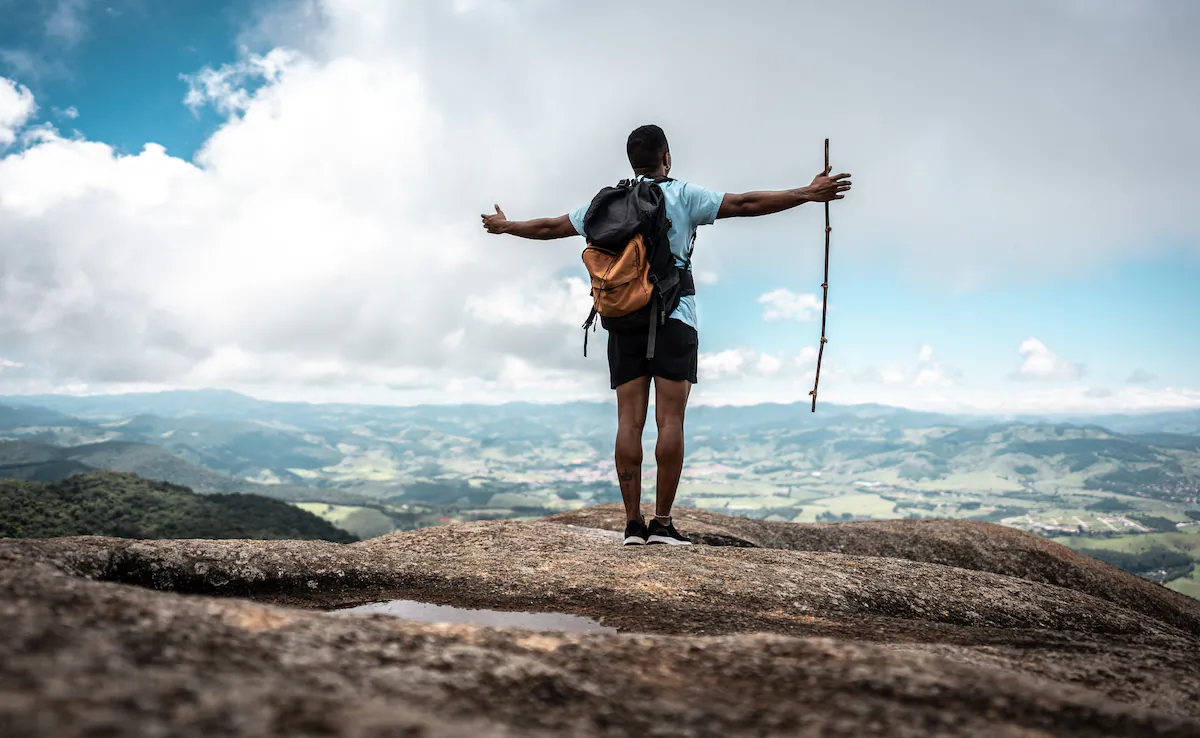

If you’re reading this, you’re probably on the edge of a decision — the decision to book a trip by yourself for the first time. And I want to tell you something right now: it’s going to be the best thing you ever do for yourself. Not because it’ll be perfect, but because of everything it teaches you about who you are when no one else is shaping the day.
Solo travel in 2026 is more accessible, more mainstream, and more supported than it’s ever been. Solo travel bookings have grown by over 40% since 2020. Airlines, hotels, and tour operators now actively cater to solo travelers. The tools available — from eSIMs to offline maps to solo traveler communities — have made the logistics easier than ever before.
But none of that answers the real question you’re asking: will I be okay doing this alone? Yes. Here’s everything you need to know.
Choosing Your First Solo Destination
Your first solo trip should give you a high chance of a positive experience. This doesn’t mean choosing somewhere boring — it means choosing somewhere with good tourist infrastructure, a reasonable safety reputation, English-speaking support readily available, and a manageable cost of living.
Top first solo trip destinations in 2026 include Lisbon (Portugal), Bali (Indonesia), Bangkok and Chiang Mai (Thailand), Kyoto (Japan), Barcelona (Spain), Medellín (Colombia), Mexico City, Prague (Czech Republic), and for Indian travelers — Pondicherry, Kasol, Coorg, or Hampi are brilliant domestic first-solo options.
Avoid choosing the most geographically or logistically complex destination for your first trip. A city with excellent public transport, walkable neighborhoods, and a well-established backpacker scene gives you the best framework to build confidence.
Planning Your First Solo Trip
Solo travel rewards preparation, particularly for first-timers. You don’t need to schedule every hour — in fact, over-planning removes the serendipitous element that makes solo travel magical. But having core logistics sorted before you go removes unnecessary stress.
- Book your first 3 nights of accommodation before you leave — arriving somewhere new with no plan for where to sleep is needlessly stressful.
- Know your airport-to-accommodation route in advance. Download it offline on Google Maps.
- Get a local SIM or eSIM for data access as soon as you land — connectivity is your safety net.
- Register with your country’s travel advisory service so embassies can reach you if needed.
- Share your itinerary with someone at home and agree on regular check-ins.
Solo Travel Safety Tips That Actually Matter
Safety is the top concern for most first-time solo travelers, and it’s worth addressing directly. The reality is that solo travel is safe for the vast majority of people in the vast majority of destinations — but awareness and basic habits make a significant difference.
Trust Your Gut
This sounds cliché because it’s true. If a person, situation, or place feels wrong, leave it. You don’t need a logical reason. Your instincts are processing information faster than your conscious mind. Trusting them is not paranoia — it’s a survival mechanism.
Keep Copies of Everything
Keep digital copies of your passport, visa, travel insurance, accommodation bookings, and emergency contacts in your email (accessible from any device) and in a separate folder on your phone. Carry a physical photocopy of your passport when exploring, and leave the original locked at your accommodation where possible.
Understand Local Scams
Every popular tourist destination has well-documented scams. Research them before you go. The ‘closed attraction’ scam, the ‘friendly local’ leading you to an overpriced shop, the fake taxi driver, the bracelet gift that then demands payment — these are all avoidable once you know about them.
Stay Connected
Tell people where you’re going, even casually. A quick WhatsApp to a friend saying ‘I’m going to [place] today’ creates a trail without being paranoid. Apps like Kitestring send automatic alerts to your emergency contacts if you fail to check in at a set time.
How to Meet People When Traveling Alone
The fear of loneliness is often the biggest barrier to solo travel. The reality? Solo travelers are often the most socially connected travelers. You’re more approachable alone than in a group, and you’re forced to initiate conversations you wouldn’t have as part of a pair or family.
- Stay in hostels with common areas — even booking a private hostel room puts you in a social environment.
- Join free walking tours — they’re a daily meeting point for other travelers in almost every city.
- Use apps like Meetup, Couchsurfing’s social events, Bumble BFF, or Withlocals to find group activities.
- Take a class — cooking, surfing, language, painting. Shared learning creates immediate bonds.
- Eat at the bar or communal table rather than a private table — instant conversation starter.
Packing Smart for Solo Travel
Pack light. This advice is more important for solo travelers than any other type of traveler — because you carry everything yourself, navigate transport yourself, and need to be mobile quickly if needed.
The one-bag philosophy works brilliantly for solo travel: a 30-40L carry-on sized bag that contains everything you need. Packing cubes, quick-dry clothing, a universal adaptor, a small first-aid kit, and a good portable charger cover the basics. If you forget something, you can almost always buy it at your destination.
Managing Money as a Solo Traveler
Never keep all your money in one place. Split your travel funds across a card and cash, and keep your emergency reserve (ideally an extra card or some cash) in a separate bag or hidden compartment. Notify your bank before you travel to avoid card blocks. Wise (formerly TransferWise) and Revolut cards offer excellent exchange rates internationally with low fees — far better than airport currency exchange.
The Mindset That Makes Solo Travel Work
More than any practical tip, the mindset you bring to solo travel determines the experience you have. Embrace the discomfort as part of the point — getting lost, eating at the wrong restaurant, taking the wrong bus, feeling lonely for an hour — these are the stories you’ll tell with warmth for years. They’re not failures; they’re the trip.
Be open to changing your plans. Be willing to talk to strangers. Be comfortable sitting in a café alone with nothing but your thoughts. Be curious about everything. The world genuinely rewards that curiosity with extraordinary things.
Start planning your first solo trip this week. You’re more ready than you think.