
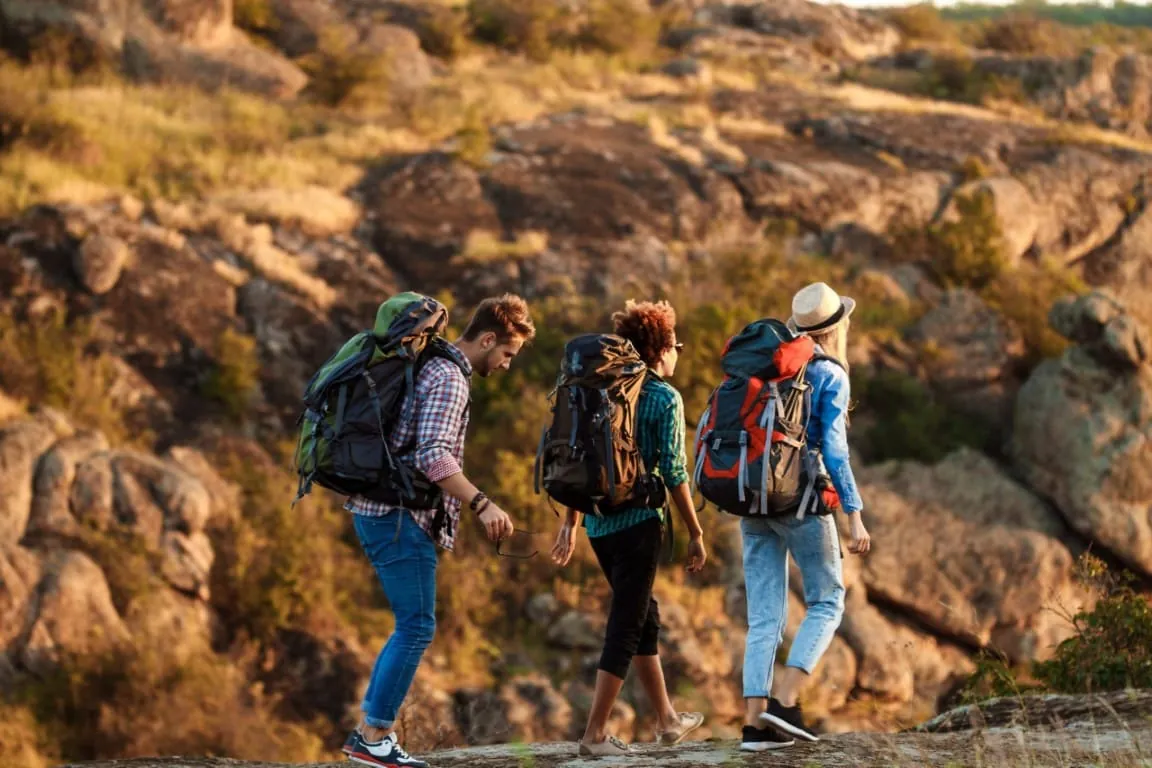

Everyone has a mental image of an adventure traveller: someone covered in mountain dust, with a dented pack and a 3-week beard, who casually mentions they free-climbed something most people wouldn’t even look at. That image is the reason a lot of people never book the adventure trip they’ve been quietly dreaming about.
Here’s the truth: adventure travel has a very low floor and a very high ceiling. You don’t need to be fit, fearless, or experienced to start. You just need to start.
These destinations are chosen specifically because they’re forgiving for beginners — the infrastructure is good, guided options are plentiful, and the experiences are genuinely thrilling even at an entry level.
Why 2026 is a Great Year to Start Adventure Travel
The adventure tourism market has matured enormously in the last decade. Guided experiences are safer and better regulated than ever before. Equipment standards have improved. And the rise of certified local guiding associations means that first-time adventurers have access to expert support almost everywhere in the world.
What hasn’t changed is the feeling — the kind you only get when you step slightly beyond your comfort zone and discover you’re more capable than you thought.
The Best Beginner Adventure Destinations in 2026
New Zealand — The Adventure Capital That Welcomes Everyone
New Zealand consistently tops adventure travel rankings, and with good reason. But what makes it particularly brilliant for beginners is how well-organised everything is. Every adventure activity — bungee jumping, white-water rafting, skydiving, glacier walks, multi-day hiking tracks — has a commercial operator running professionally managed experiences for people of all abilities.
The Tongariro Alpine Crossing is one of the world’s great day hikes, and while it’s challenging, it’s fully accessible to anyone in reasonable health. The Milford Sound kayaking experience is genuinely breathtaking, and guided versions don’t require any prior paddling experience.
Start in Queenstown, which has earned its nickname as the “adventure capital of the world,” and then move into the South Island’s national parks.
Best for: First bungee, first skydive, first serious hike, glacier walking.
Costa Rica — Biodiversity and Adrenaline in Equal Measure
Costa Rica is a dream destination for adventure beginners because of its sheer variety. In a single day, you could zip-line through a cloud forest canopy, spot a sloth, white-water raft a Class III river, and finish with a volcanic hot spring soak. It packs a remarkable amount of experience into a small, accessible country.
The white-water rafting on the Pacuare River is considered one of the world’s best, and operators run beginner-appropriate floats alongside more challenging sections. Arenal Volcano’s surrounding trails range from easy to moderate, and guided hikes are widely available.
The infrastructure for tourism is excellent — well-marked trails, English-speaking guides, reliable transport between destinations — making it easy to navigate as a first-time adventure traveller.
Best for: Zip-lining, white-water rafting, wildlife encounters, volcano exploration.
Nepal (Kathmandu Valley Region) — Himalayan Adventure Without the Extreme
Most people hear Nepal and think of Everest Base Camp or serious mountaineering. But Nepal has an extraordinary range of trekking experiences for beginners that don’t require high-altitude experience or technical skill.
The Ghorepani Poon Hill trek, for instance, is a 4-5 day moderate hike through rhododendron forests with stunning Annapurna range views, manageable for anyone who walks regularly. The Langtang Valley trek is another beginner-accessible route with rich cultural exposure and remarkable scenery.
Kathmandu itself offers paragliding in Pokhara — one of the most spectacular paragliding settings in the world — and beginner-level mountain biking in the surrounding valley. Teahouse accommodation along trekking routes means you don’t need camping gear or expedition planning.
Best for: First Himalayan trek, paragliding, cultural immersion alongside adventure.
Iceland — Dramatic Landscapes, Beginner-Friendly Infrastructure
Iceland’s reputation is for raw, otherworldly landscapes — and it’s entirely deserved. But it’s also one of the safest, most English-friendly, and most accessible adventure destinations on earth.
Glacier hiking on Sólheimajökull is available to complete beginners with guided tours providing all equipment and safety instruction. Snorkeling between tectonic plates in Silfra requires only basic swimming ability (a wetsuit does the rest). Kayaking in the Westfjords, ice cave exploration in winter, and lava field hiking are all accessible with the right operator.
The famous Ring Road self-drive also qualifies as an adventure in itself — a 1,300km circular route with a different dramatic landscape around every corner, navigable with no special vehicle or experience.
Best for: Glacier hiking, ice cave exploration, snorkeling, volcanic landscape exploration.
Peru — Inca Trails and Amazon Entry Points
Peru offers one of the world’s iconic adventure experiences — the Inca Trail to Machu Picchu — in a guided, well-regulated format accessible to intermediate fitness levels. But it also has beginner-friendly alternatives: the Salkantay Trek, the Lares Trail, and the train-and-walk Camino Inca are all options with different difficulty levels.
For a completely different flavour, the Amazon Basin entry points around Puerto Maldonado offer guided rainforest experiences — canopy towers, night wildlife walks, river kayaking — that require no previous jungle experience.
Peru also has excellent surf beginners’ schools around Huanchaco, where the waves and instruction quality are consistently recommended.
Best for: Inca Trail alternatives, Amazon exploration, surfing, altitude hiking.
Portugal — Europe’s Most Underrated Adventure Destination
Portugal is quietly becoming Europe’s best adventure destination, especially for those who want their thrills without leaving the continent. The Alentejo and Algarve regions offer serious mountain biking, sea kayaking along dramatic limestone coastlines, and surfing at beginner-friendly Atlantic breaks.
The Via Algarviana — a 300km walking trail across the Algarve — is achievable in sections of a few days at a time. The Douro Valley offers cycling through vine terraces, and surf schools in Ericeira and Sagres cater specifically to adults trying waves for the first time.
The bonus: Portugal is affordable by Western European standards, the food is extraordinary, and the locals are genuinely welcoming.
Best for: Beginner surfing, sea kayaking, cycling, long-distance walking.
Essential Tips for First-Time Adventure Travellers
Book guided experiences, at least at first. A good guide is not just a safety measure — they’re an educator, a storyteller, and usually the reason an experience goes from “fine” to “life-changing.” Don’t try to DIY your first glacier hike or your first white-water experience.
Invest in travel insurance that covers adventure activities. Standard travel insurance often excludes adventure sports. Read the small print carefully and upgrade to a policy that specifically covers what you’re planning. World Nomads is widely used and respected for adventure coverage.
Start one level below your assumed ability. First-time hikers consistently overestimate their pace. Book the moderate trail before the strenuous one. You can always push harder next time; an injury on day two is a much worse outcome than feeling like you could have gone further.
Pack for the activity, not the Instagram. Proper footwear matters more than you think on uneven terrain. Moisture-wicking fabrics matter more than you think in humidity. A lightweight rain layer matters more than you think in mountain weather. Talk to your tour operator before you pack.
Go with the right attitude. Adventure travel involves things going unexpectedly. Weather changes. Plans shift. Conditions vary. The travellers who have the best time are the ones who hold their plans loosely and treat the unexpected as part of the experience.
The Best Part About Beginning
The very first time you do something that frightened you — the moment after you’ve jumped, climbed, paddled, or walked — there’s a particular kind of satisfaction that’s different from any other travel experience. It’s the feeling of having expanded your own sense of what you’re capable of.
That feeling doesn’t get old. And once you’ve had it once, you’ll spend the rest of your life finding new ways to find it again.